
Architecture
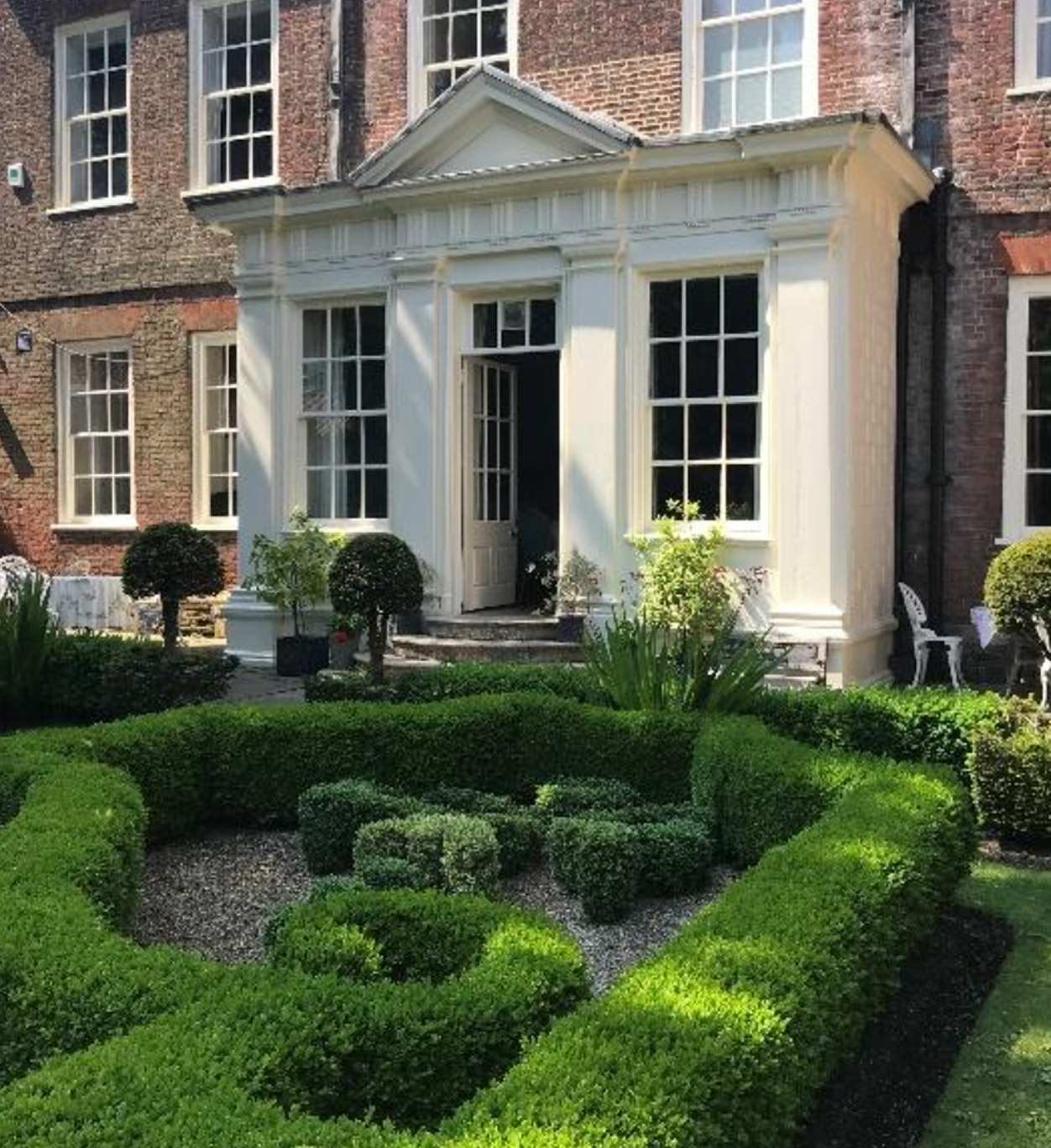
Boston boasts a rich architectural heritage which features numerous fine buildings and several hidden gems. The town’s architecture reflects generations of international influence that have contributed to the development of a “confident urban structure that many English cities might envy” [1]. Notably, several buildings located within the town centre present distinct European and Dutch characteristics. Some of the older brick houses – 1-9 South Terrace are a case in point – displaying Flemish detailing dating from the early 19th century [2]; they are Grade II listed [3]. Likewise, the first built portion of Shodfriars Hall was known as the ‘Old Flemish House’ and is thought to date from the 14th century [4]. Latter parts of the building built in the late 1870s were designed in a northern European Gothic style [4].
The Dutch architectural style is a reminder of Boston’s historical trading connections with the Hanseatic League and its role as one of England’s major historic ports [5]. Indeed, it is thought that “the high number of European immigrants influenced the development of the town, notably in encouraging the early adoption of brick”, owing to the discovery of a 14th century brickyard in Boston [6]. In specific areas of the town, such as Pump Square and Spain Court, the influence of Dutch and Flemish architecture is apparent in their design, characterised by features such as “pantiles, hipped roofs, gables, [and] dormer windows” [1].
The likeness of Boston’s Dutch architecture is further evidenced by its use as a filming location in the war time movie One of Our Aircraft is Missing (1942); the town ‘stood in’ for the Netherlands. These similarities are a natural consequence of the trade and the interactions of sailors, merchants, and other trading elites between ports at the time.
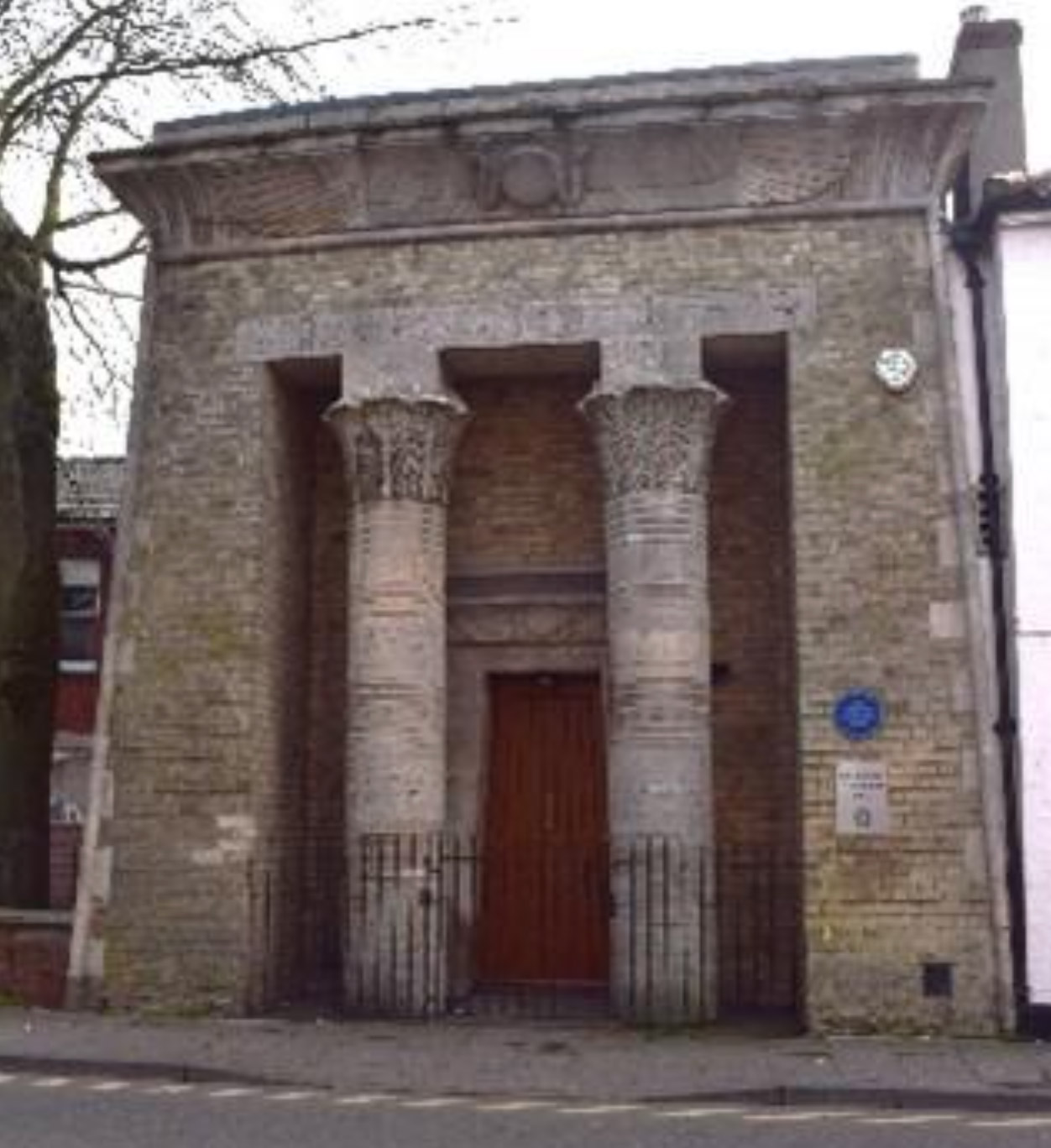
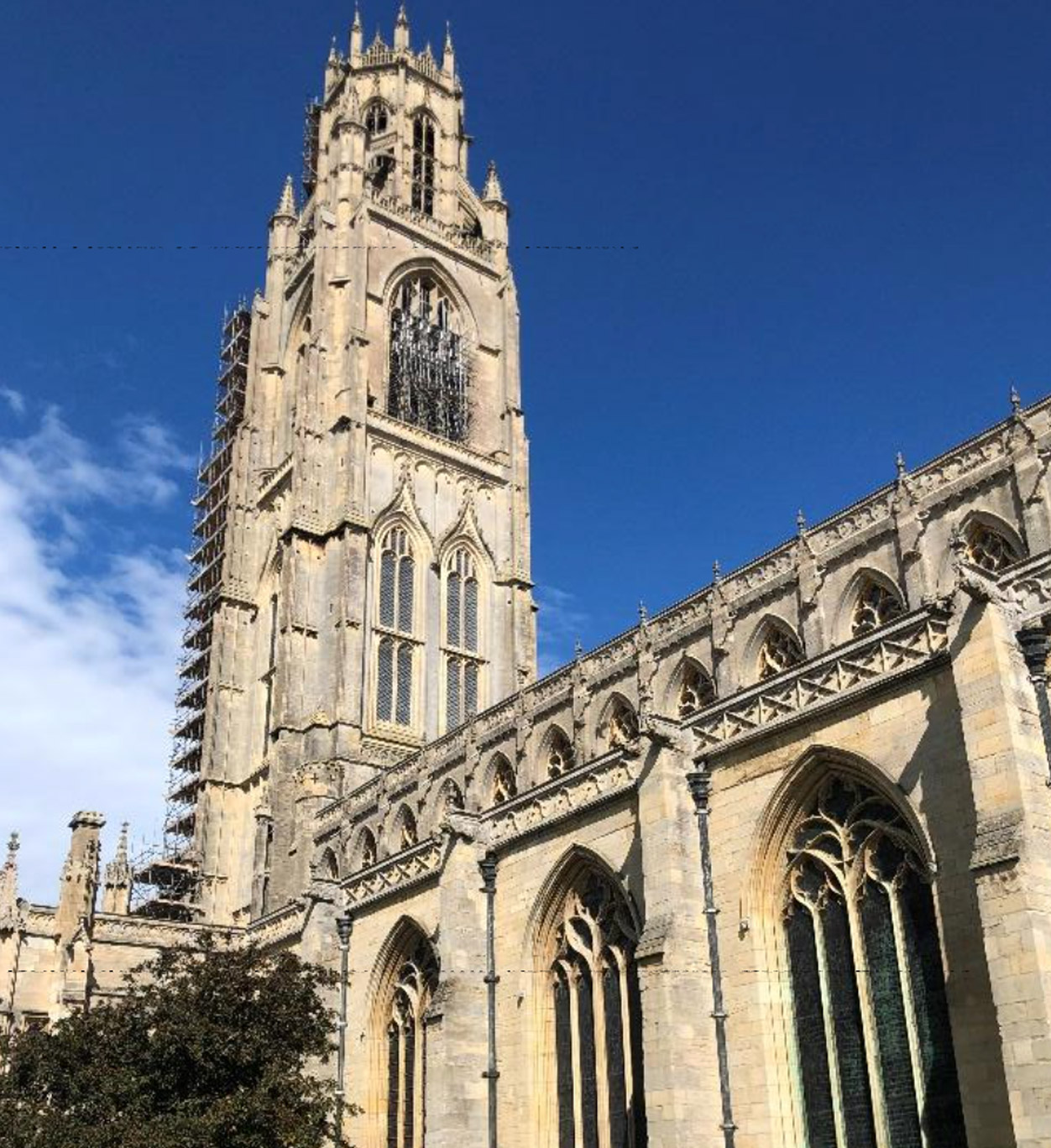
The international architectural influences within the town are not limited solely to Dutch styles. The lantern tower atop St Botolph’s Church, known locally as the Stump, is similar to the octagonal lanterns found at both Saint-Ouen Abbey in Rouen, France and The Belfry of Bruges, Belgium [7], but it was also supposedly inspired by the lantern tower at the Tarazona Cathedral in Spain. The triangular, or funnel-shaped, market place in Bargate – the location of a (later) secondary market, on the edge of town – is believed to be associated with livestock markets, and reflects those which were already established in German towns such as Halle, Aachen, and Bonn [6]. Boston is also home to one of the few Egyptian-inspired buildings in the entire country. The Freemasons’ Hall, built between 1860 and 1863, is modelled after the Temple of Dendur in Nubia, which is now housed in the Metropolitan Museum of Art in New York. These examples further illustrate Boston’s historic, outward-looking cosmopolitan nature, as well as the benefits that the international movement of people, goods, and ideas has brought to the town for well over half a millennium.
Finally, Boston has been a pioneer in advancing architectural styles that have since been replicated elsewhere in the UK. An early example is the shopping parade in the Market Place. Built by the Corporation (a precursor to the modern Council) in 1820, it was one of the first purpose-built shopping parades, and features a separation of shopfronts from access to the flats above; the latter entered from the rear of the premises [8]. This design predates the more internationally acclaimed efforts of Richard Grainger in Newcastle, and contributed to the development of the modern-day shopfront style that would dominate town and city centres from the late 1800s onward.